Hilton Head Island
Gullah Culture &
Heritage Guide
The history, traditions, and living culture of the Gullah-Geechee people — the heart and soul of the Sea Islands.
5+
Historic Sites
3
Guided Tours
1861
Established
Free
Admission (Most)
The Culture That Built the Sea Islands
Before the golf courses and resort communities, before the bridges and the tourists, Hilton Head Island was Gullah country. The Gullah-Geechee people — descendants of enslaved West Africans brought to the Sea Islands to work the rice, indigo, and cotton plantations — built a culture here that is one of the most distinctive and resilient African American traditions in the United States.
Because the Sea Islands were geographically isolated from the mainland, the Gullah people were able to preserve more of their African cultural heritage than enslaved people almost anywhere else in North America. Their language, foodways, music, spiritual practices, and craft traditions survived the Middle Passage and took root in the unique ecology of the barrier islands. Much of what we call "Lowcountry culture" — the food, the music, the architecture — has Gullah roots.
Today, Hilton Head is home to several of the most important Gullah heritage sites in the country, including Mitchelville Freedom Park — the site of the first self-governed freedmen's community in American history. This guide covers the essential experiences for anyone who wants to understand the island's true history and culture.
Gullah Cultural Experiences
Mitchelville Freedom Park
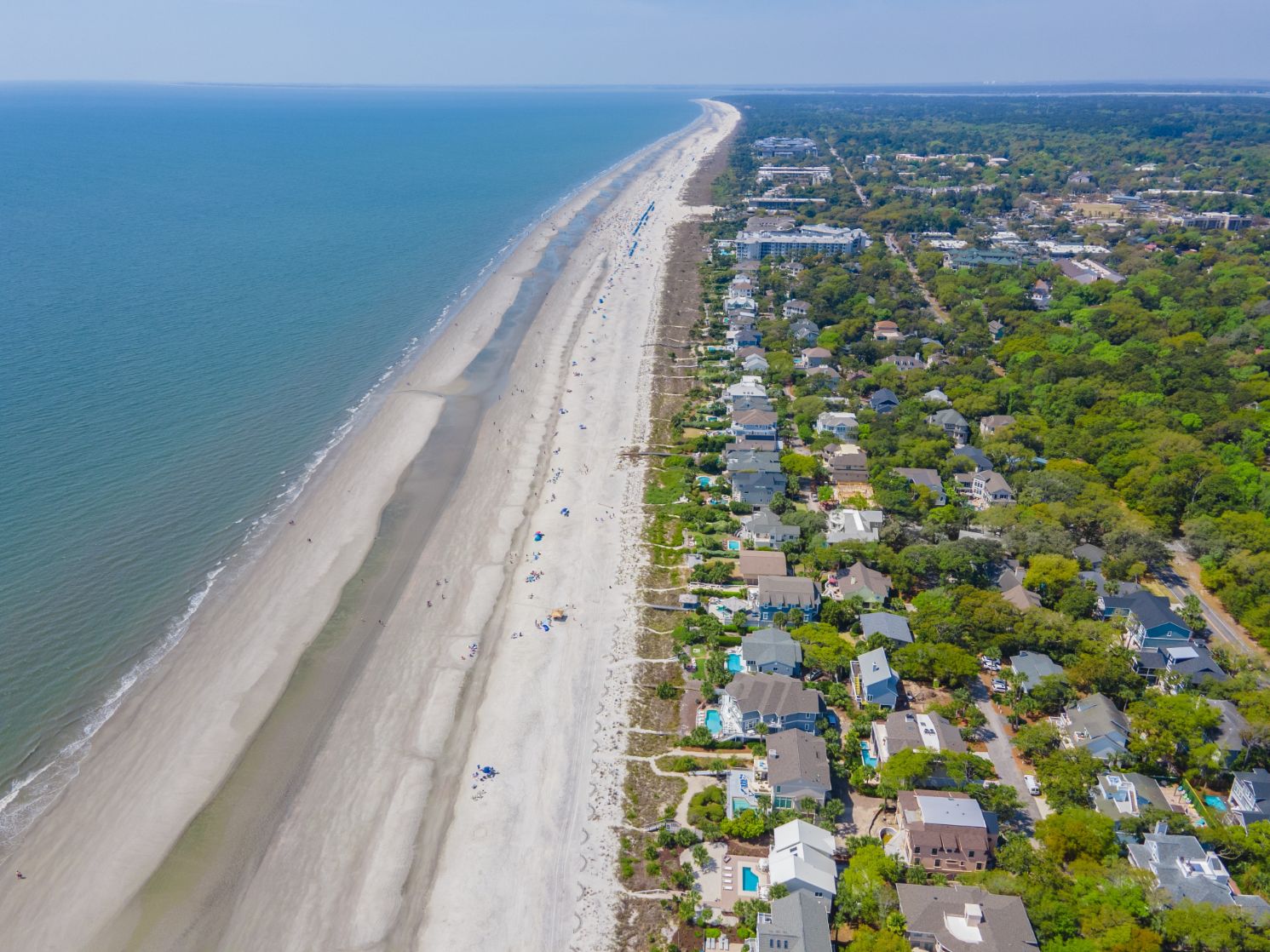
Mitchelville is one of the most important and least-known historic sites in the American South. In November 1861, Union forces took control of Hilton Head Island — and the enslaved people who had been forced to work the Sea Island cotton plantations were suddenly free. They didn't wait for the government to act. Within months, they had organized their own community: elected their own leaders, built their own schools, established their own rules, and created a functioning self-governed town. Mitchelville was the first self-governed freedmen's community in the United States.
- ✓First self-governed freedmen's community in American history (1861)
- ✓Archaeological remnants of original community structures
- ✓Interpretive walking trail with detailed historical signage
- ✓Connection to the broader Gullah-Geechee Cultural Heritage Corridor
- ✓Quiet, contemplative atmosphere — rarely crowded
Coastal Discovery Museum at Honey Horn
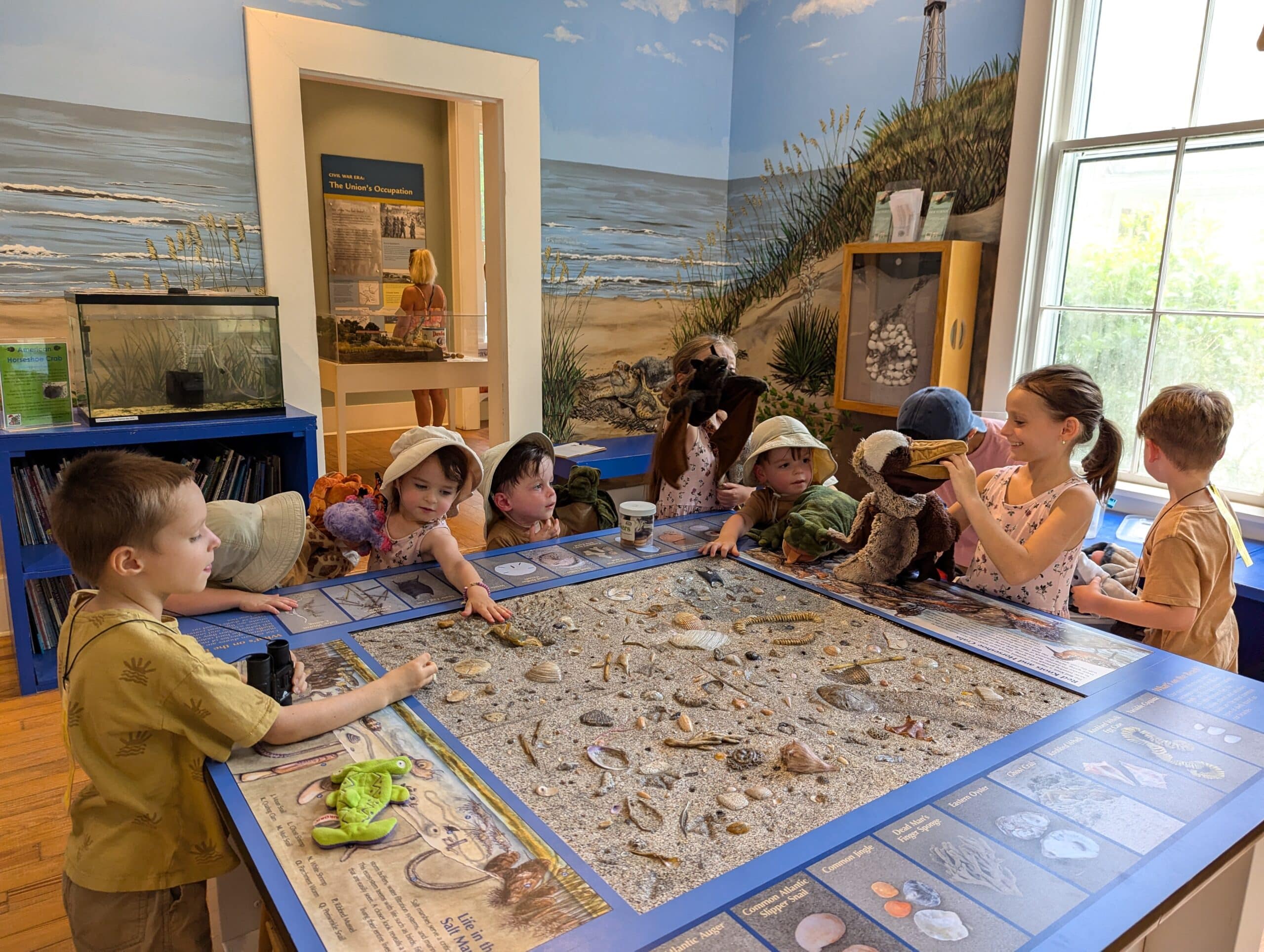
The Coastal Discovery Museum sits on 68 acres of Honey Horn Plantation — one of Hilton Head's original antebellum estates — and it's one of the best free attractions on the island. The exhibits cover the full arc of Hilton Head's history: Native American settlement, the colonial era, the Civil War and Reconstruction, and the Gullah-Geechee culture that shaped the island's identity. A replica Gullah village on the grounds brings the history to life with interpretive signage and demonstrations.
- ✓Free admission — one of the best free things to do on the island
- ✓Exhibits on Gullah-Geechee history, language, and cultural traditions
- ✓Replica Gullah village on the museum grounds
- ✓Guided programs including kayak tours and birding walks
- ✓Boardwalk over the salt marsh with panoramic Broad Creek views
Hilton Head Segway Eco Tour — Mitchelville Route
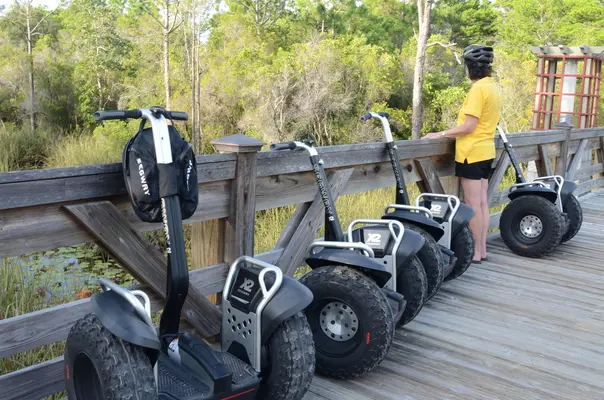
The Hilton Head Segway Eco Tour's Mitchelville route is one of the best ways to experience the island's Gullah history with expert context. Local historian guides lead small groups through Honey Horn Plantation and Mitchelville Freedom Park, weaving together the story of the Gullah people, the Civil War, and the island's transformation from plantation economy to resort community. The Segway format covers more ground than walking, allowing the tour to visit multiple sites in a single outing.
- ✓Expert local historian guides with deep knowledge of Gullah history
- ✓Covers Honey Horn Plantation and Mitchelville Freedom Park
- ✓Small group sizes for a more personal, in-depth experience
- ✓No experience required — orientation included
- ✓FareHarbor booking available
Daufuskie Island Day Trip
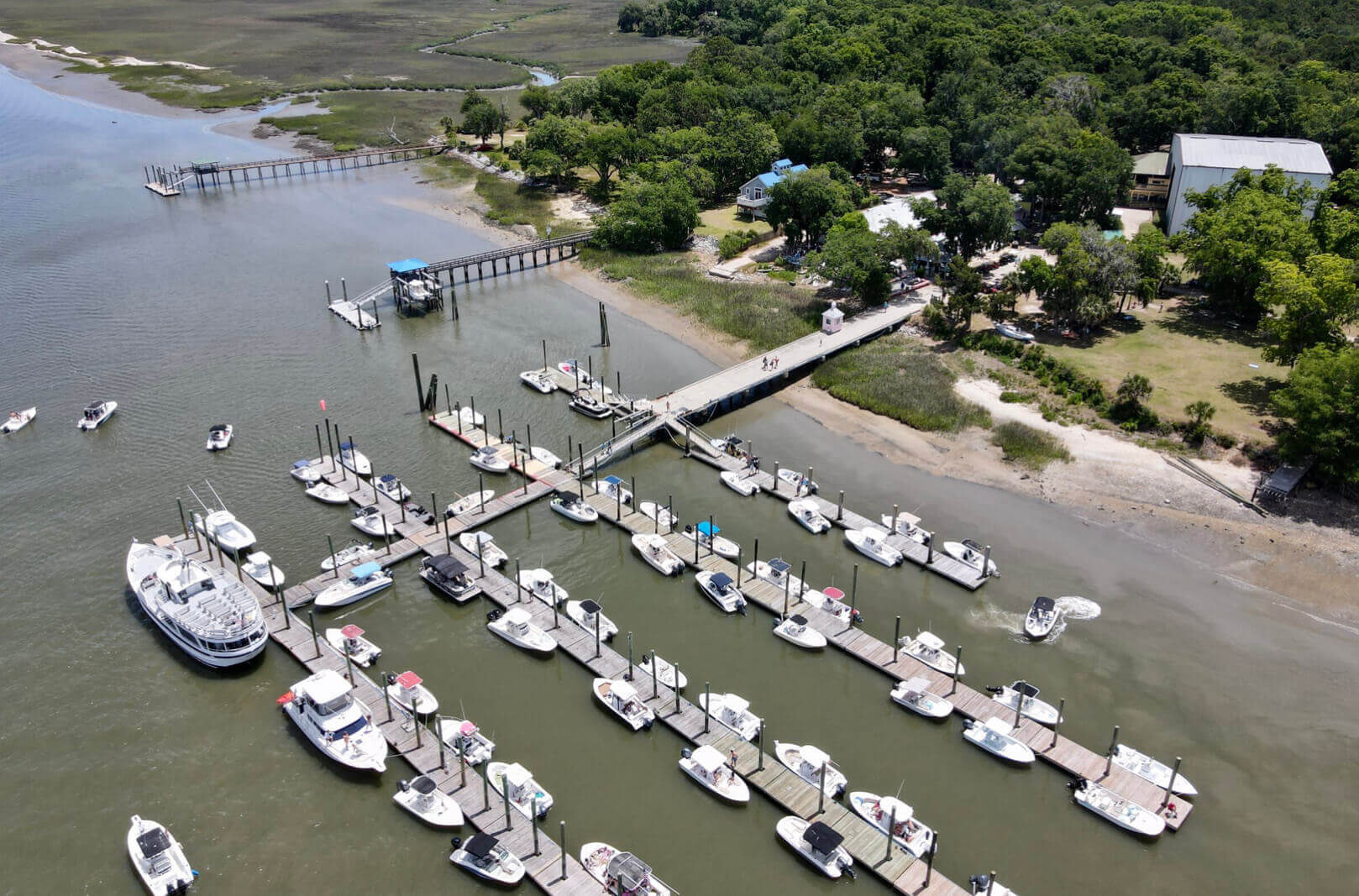
Daufuskie Island is the last truly undeveloped barrier island on the South Carolina coast, accessible only by boat. It's also one of the most important Gullah-Geechee cultural sites in the country. The island has no bridges, no traffic lights, and a year-round population of fewer than 500 people — many of them descendants of the enslaved people who worked the island's cotton and indigo plantations. The Mary Field School ruins, where author Pat Conroy taught in the 1960s (inspiring 'The Water is Wide'), are a moving piece of Lowcountry history.
- ✓Mary Field School ruins — where Pat Conroy taught, inspiring 'The Water is Wide'
- ✓First Union African Baptist Church — one of the oldest African American churches in the US
- ✓Gullah-Geechee cultural heritage throughout the island
- ✓Pristine, uncrowded beaches with no development
- ✓Local art galleries showcasing Gullah-inspired work
Gullah Heritage Trail Tours
Gullah Heritage Trail Tours offers guided bus tours of Hilton Head's Gullah-Geechee historic sites, led by Gullah community members who share their personal family histories alongside the broader cultural narrative. The tours visit Mitchelville, the First African Baptist Church, historic cemeteries, and other sites that aren't covered in standard tourist itineraries. It's the most direct way to hear Gullah history told by the people who carry it.
- ✓Guided by Gullah community members — not outside historians
- ✓Visits Mitchelville, First African Baptist Church, and historic cemeteries
- ✓Personal family histories woven into the broader cultural narrative
- ✓Covers sites not accessible on self-guided walks
- ✓Highly recommended for cultural travelers
Gullah Cultural Traditions
Understanding these traditions gives context to everything you'll see and experience in the Sea Islands.
The Gullah Language
Gullah (also called Geechee) is a creole language that developed on the Sea Islands from a blend of English and West African languages — primarily from the Mende, Vai, Twi, and Wolof peoples. It's still spoken by Gullah-Geechee community members today, though the number of fluent speakers has declined significantly. Words and phrases from Gullah have entered mainstream American English, including 'goober' (peanut), 'juke' (as in jukebox), and 'yam' (sweet potato).
Sweetgrass Basket Weaving
Sweetgrass basket weaving is one of the oldest and most distinctive Gullah-Geechee art forms, with roots in West African basket-making traditions brought to the Sea Islands by enslaved people. The baskets are made from sweetgrass, bulrush, and palmetto fronds using a coiling technique passed down through generations. The tradition is centered in the Charleston area today, but it has deep roots throughout the Sea Islands including Hilton Head.
Lowcountry Foodways
Gullah-Geechee cuisine is the foundation of what we call Lowcountry cooking — and it's one of the most distinctive regional food traditions in America. Red rice, shrimp and grits, Hoppin' John (black-eyed peas and rice), okra soup, and she-crab soup all have Gullah roots. The cuisine reflects the agricultural knowledge and culinary creativity of enslaved West Africans who transformed the ingredients available to them into a rich and complex food tradition.
The Ring Shout
The ring shout is a sacred musical and movement tradition that survived the Middle Passage and took root in the Sea Islands. Participants move counterclockwise in a circle, shuffling their feet and singing call-and-response spirituals. It's considered one of the oldest surviving African American performance traditions in the United States and a direct link to West African religious practices.
The Gullah-Geechee Cultural Heritage Corridor
In 2006, Congress established the Gullah-Geechee Cultural Heritage Corridor — a 425-mile stretch of coastline from Wilmington, NC to Jacksonville, FL — to recognize and preserve Gullah-Geechee culture. Hilton Head Island sits at the heart of this corridor. The designation has helped fund preservation efforts at Mitchelville and other historic sites on the island.