Hilton Head Island
Nature Trails &
Wildlife Walks
Maritime forest, salt marsh, ancient shell rings, and alligators — the wild side of Hilton Head that most visitors never find.
60+
Miles of Trails
4
Nature Preserves
350+
Bird Species
Free
Admission (Most)
The Wild Side of Hilton Head
Most people come to Hilton Head for the beach. But the island's most extraordinary natural assets are inland — in the maritime forests, salt marshes, and freshwater lagoon systems that make up nearly half the island's total land area. Hilton Head has more protected green space per capita than almost any resort community in the country, and most of it is free to explore.
The Sea Pines Forest Preserve alone covers 605 acres of old-growth maritime forest with a 1,500-year-old Native American shell ring at its center. The Palmetto Dunes lagoon system stretches 11 miles and supports one of the most diverse bird populations on the East Coast. Mitchelville Freedom Park preserves the site of the first self-governed freedmen's community in American history.
This guide covers the best nature trails, wildlife walks, and eco-tours on the island — from free self-guided walks to guided kayak tours through the back creeks where dolphins and sea turtles are regular sightings.
Best Nature Trails & Eco Experiences
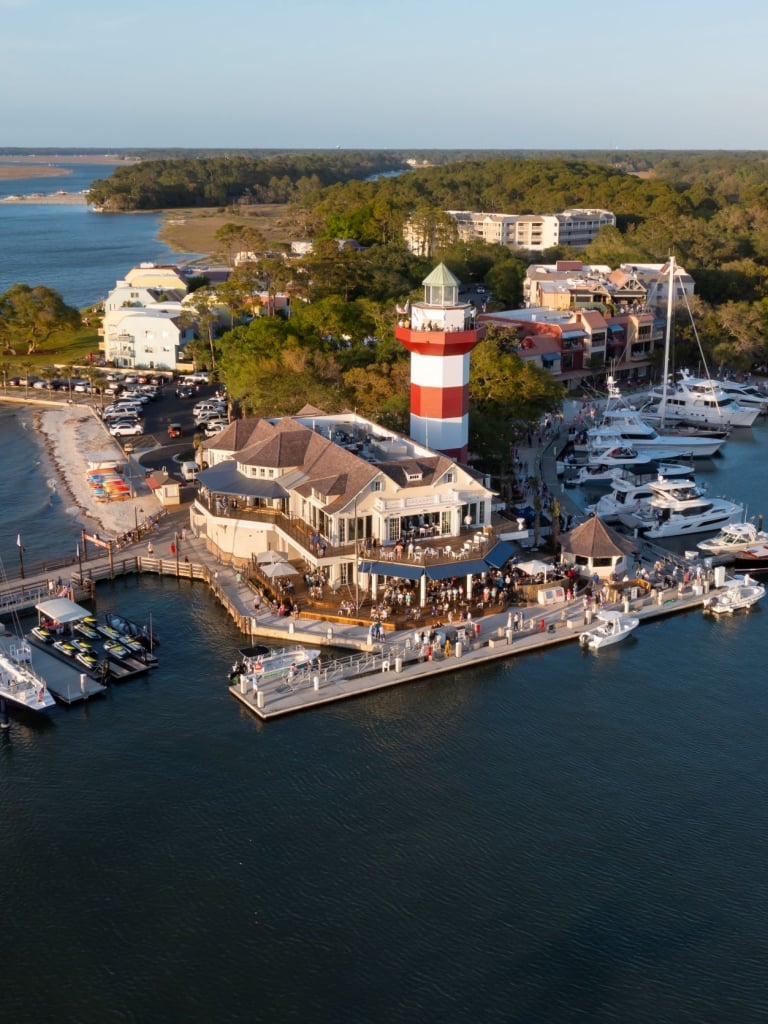
Sea Pines Forest Preserve
The crown jewel of Hilton Head nature walks. The Sea Pines Forest Preserve is a 605-acre maritime forest at the heart of Sea Pines Resort — and it's one of the most ecologically significant natural areas on the entire East Coast. The preserve protects old-growth live oaks draped in Spanish moss, a 1,500-year-old Native American shell ring, the ruins of the Stoney-Baynard Plantation, and a freshwater lagoon teeming with wildlife.
- ✓1,500-year-old Native American shell ring (one of the best-preserved on the East Coast)
- ✓Stoney-Baynard Plantation ruins — a haunting piece of Lowcountry history
- ✓Old-growth live oaks with massive canopy coverage
- ✓Alligators, white-tailed deer, great blue herons, and wood storks
- ✓Freshwater lagoon with excellent birding year-round
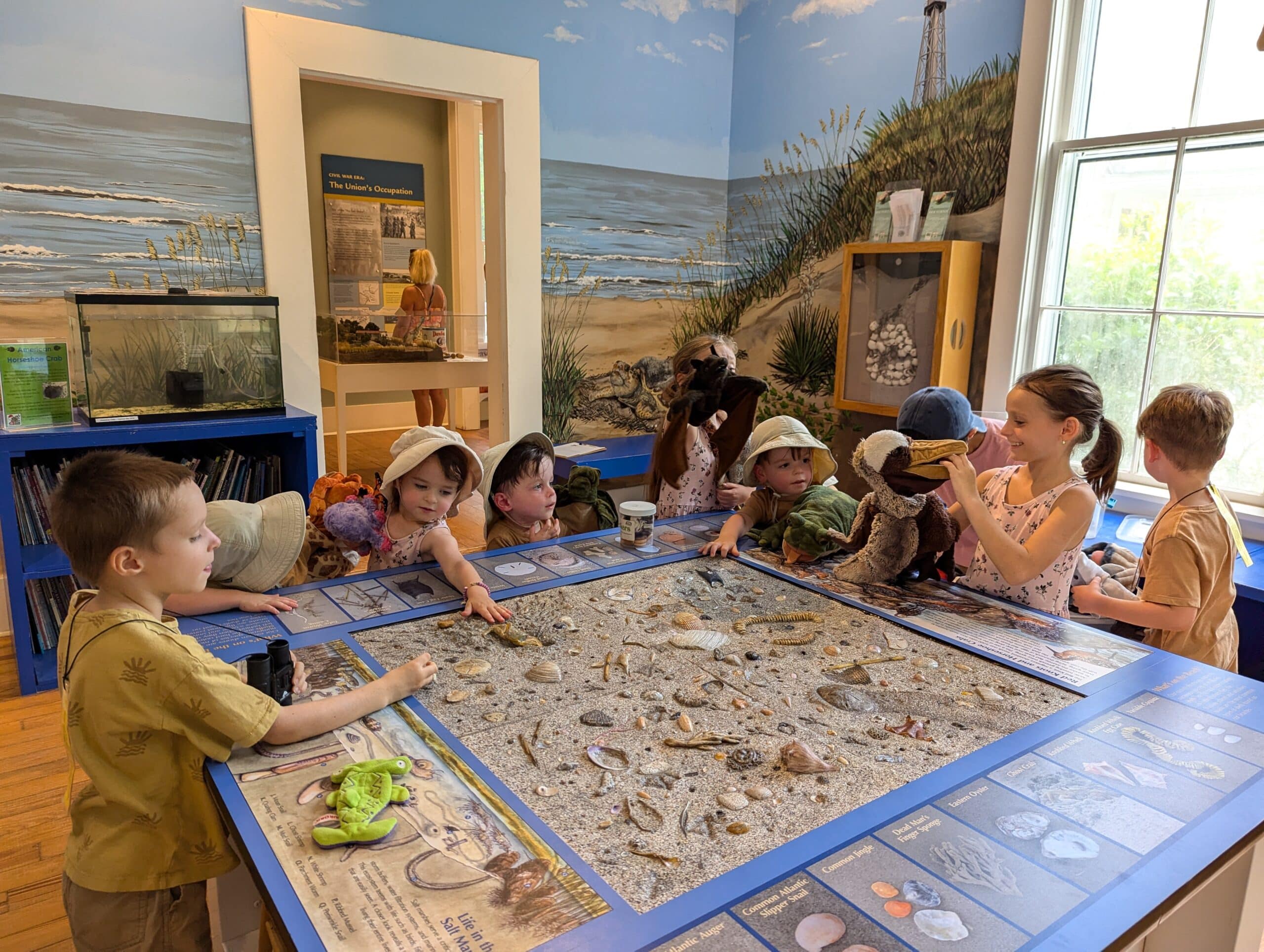
Coastal Discovery Museum at Honey Horn
The Coastal Discovery Museum sits on 68 acres of Honey Horn Plantation — one of the island's original antebellum estates — and it's completely free to visit. The grounds include walking trails through old-growth live oaks, a working butterfly garden, a replica Gullah village, and a boardwalk over the salt marsh with sweeping views of Broad Creek. Inside, exhibits cover the island's Native American history, Gullah-Geechee culture, Lowcountry ecology, and loggerhead sea turtle nesting.
- ✓Free admission — one of the best free things to do on the island
- ✓Boardwalk over the salt marsh with panoramic Broad Creek views
- ✓Butterfly garden and native plant demonstration areas
- ✓Replica Gullah village with interpretive signage
- ✓Guided kayak tours and birding walks available (book ahead)
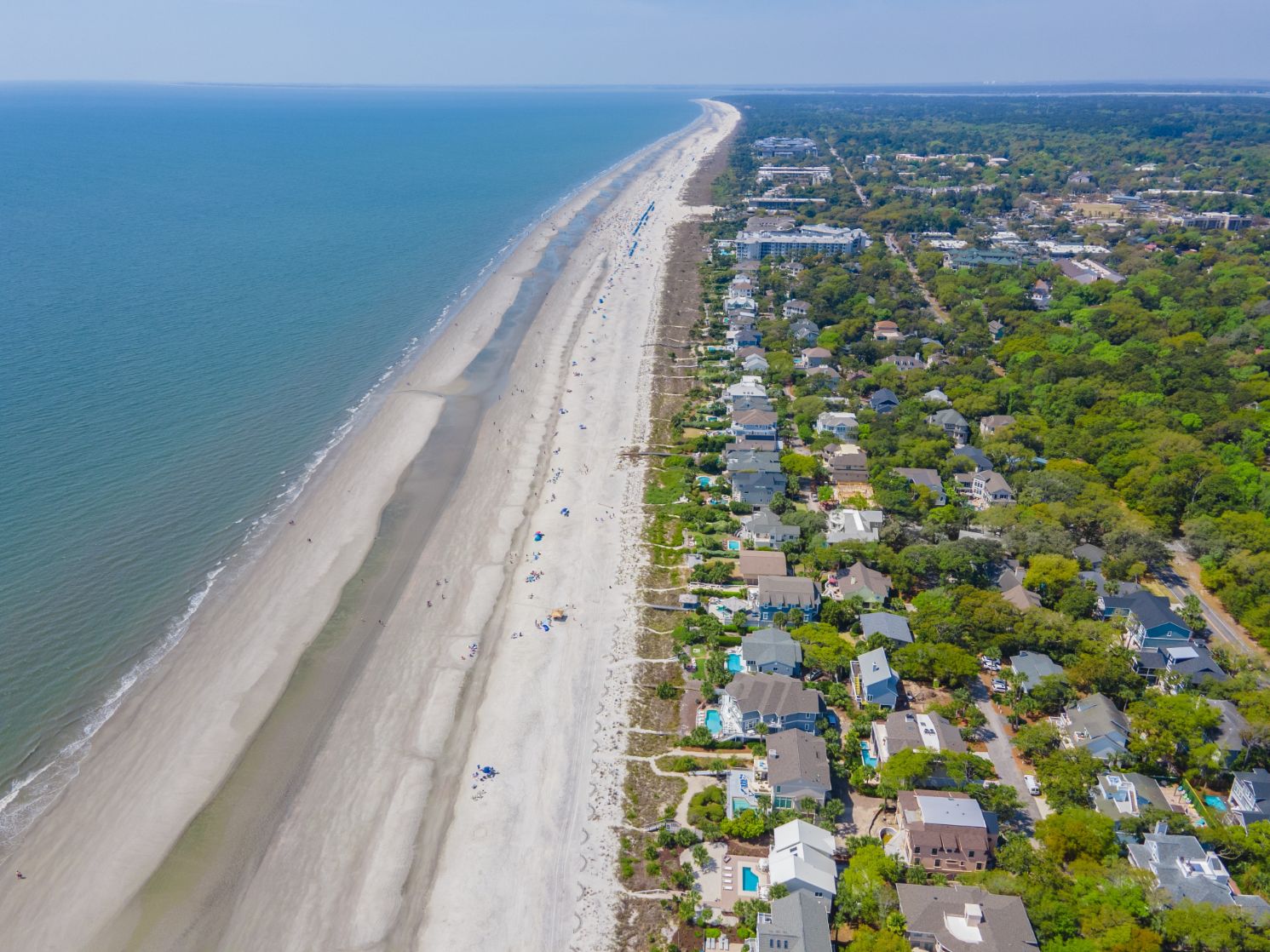
Mitchelville Freedom Park
Mitchelville was the first self-governed freedmen's community in the United States — established in 1861 when Union forces took control of Hilton Head Island during the Civil War. Formerly enslaved people organized their own government, built schools, and created a functioning community here before the end of the war. Today, the park preserves this extraordinary history with interpretive trails, archaeological sites, and educational exhibits. It's one of the most important and undervisited historical sites in the American South.
- ✓First self-governed freedmen's community in the US (established 1861)
- ✓Archaeological remnants of original structures and community layout
- ✓Interpretive signage throughout the walking trail
- ✓Connection to Gullah-Geechee cultural heritage
- ✓Quiet, contemplative atmosphere — rarely crowded

Palmetto Dunes Lagoon Trail
Palmetto Dunes is home to an extraordinary 11-mile freshwater lagoon system — one of the longest in the world — and the walking and biking paths that run alongside it offer some of the best wildlife viewing on the island. Great blue herons, snowy egrets, wood storks, ospreys, and alligators are regular sightings. The paths are flat, wide, and well-maintained, making them ideal for families with young children.
- ✓11-mile freshwater lagoon system — one of the longest in the world
- ✓Excellent birding: herons, egrets, ospreys, wood storks year-round
- ✓Alligators frequently visible from the path (maintain safe distance)
- ✓Flat, paved, and family-friendly
- ✓Connects to the beach and three championship golf courses
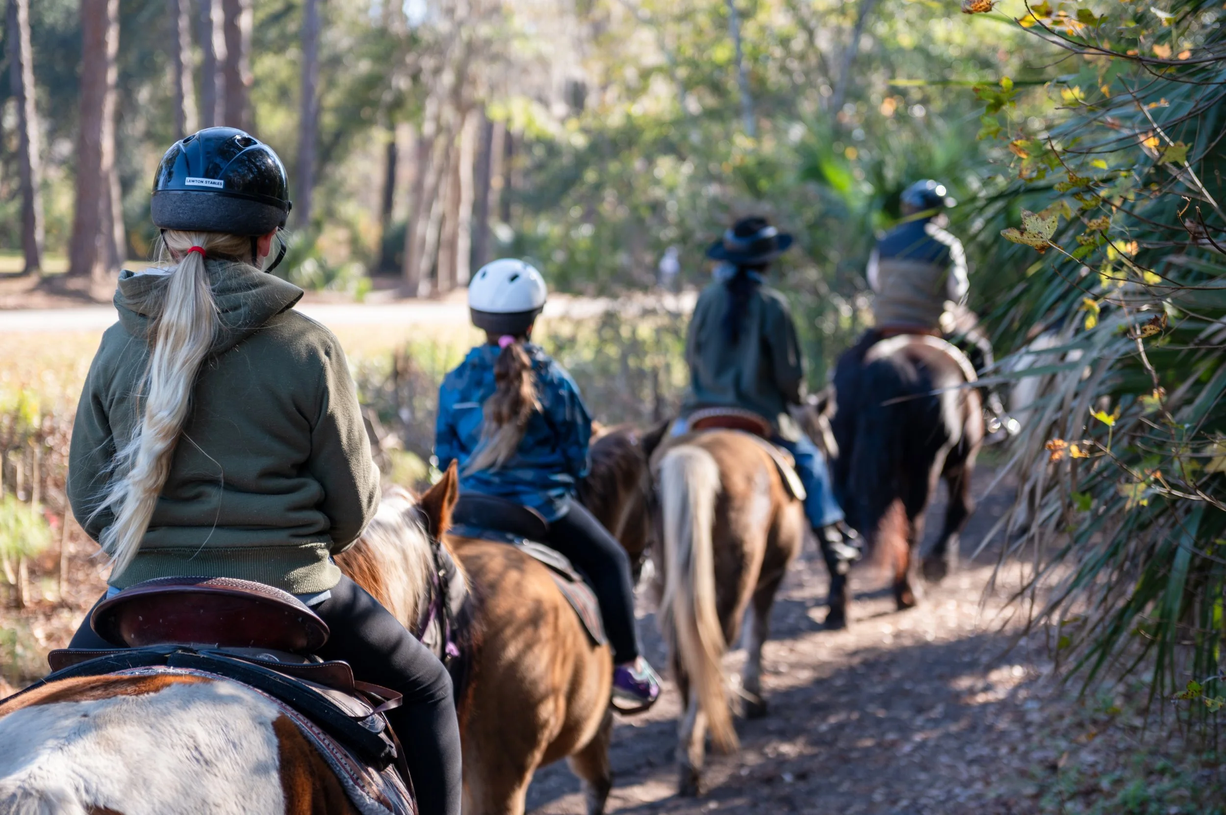
Lawton Stables Trail Rides
Lawton Stables offers guided horseback trail rides through the Sea Pines Forest Preserve — a completely different way to experience the maritime forest. The rides wind through live oak canopy, past lagoons, and through some of the most scenic terrain on the island. The stables also have a petting zoo with farm animals, making it a great stop for families with young kids even if they don't ride.
- ✓Guided trail rides through Sea Pines Forest Preserve
- ✓Petting zoo with farm animals (free to visit)
- ✓Rides available for all experience levels
- ✓FareHarbor booking — book online in advance
- ✓Great for families, couples, and first-time riders
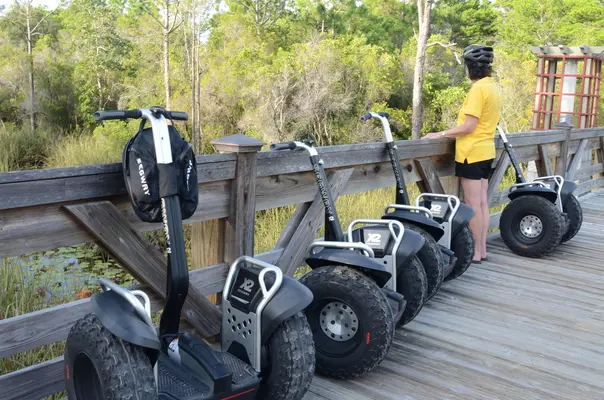
Hilton Head Island Segway Eco Tour
The Hilton Head Segway Eco Tour is one of the best ways to cover a lot of ground in the island's natural and historic areas without breaking a sweat. Guides lead small groups through Honey Horn Plantation, Mitchelville Freedom Park, and the central island trails, weaving together the island's ecology, Gullah history, and natural history as you go. No experience required — most people are comfortable on the Segway within five minutes.
- ✓Covers Honey Horn Plantation and Mitchelville Freedom Park
- ✓Local historian guides with deep knowledge of island ecology and history
- ✓No experience required — orientation included
- ✓Small group sizes for a more personal experience
- ✓FareHarbor booking available
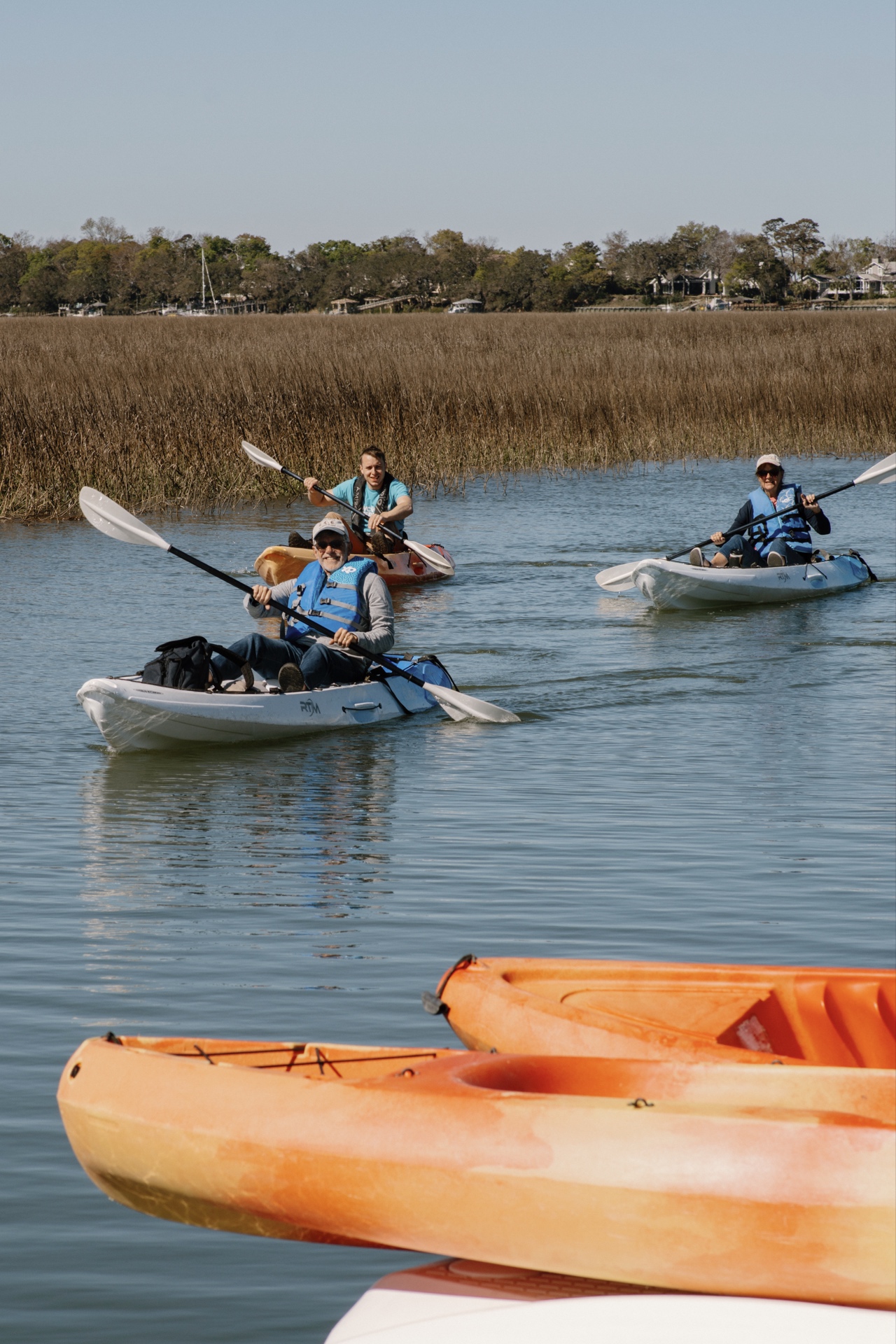
Kayak & Paddleboard Through the Salt Marsh
Paddling through Hilton Head's salt marsh is one of the most immersive nature experiences on the island. The marsh ecosystem — a tangle of cordgrass, tidal creeks, and mudflats — supports an extraordinary diversity of wildlife including bottlenose dolphins, loggerhead sea turtles, oystercatchers, and dozens of wading bird species. Guided tours take you into the back creeks where motorized boats can't go. Lowcountry Watersports offers both guided tours and self-guided rentals.
- ✓Dolphins frequently spotted in the back creeks and open water
- ✓Loggerhead sea turtles visible in summer months
- ✓Oystercatchers, willets, tricolored herons, and roseate spoonbills
- ✓Guided tours go places motorized boats can't reach
- ✓Sunset paddles available — spectacular light on the marsh
Wildlife You'll Encounter
Hilton Head Island supports an extraordinary diversity of wildlife. Here's what to look for on your nature walks.
Shorebirds & Wading Birds
Hilton Head sits on the Atlantic Flyway, making it one of the premier birding destinations on the East Coast. Year-round residents include great blue herons, snowy egrets, tricolored herons, oystercatchers, and wood storks. Migratory species pass through in spring and fall.
American Alligators
Alligators are common throughout the island's lagoon system and freshwater areas. They're most active in warm months and frequently visible sunning themselves on lagoon banks. Maintain a minimum 60-foot distance and never feed them.
Loggerhead Sea Turtles
Loggerhead sea turtles nest on Hilton Head's beaches from May through August. The island has one of the most active nesting programs in South Carolina. Turtle patrols walk the beaches at dawn during nesting season — a remarkable sight.
White-Tailed Deer & Fox
The island's maritime forest supports healthy populations of white-tailed deer, red fox, and river otter. Deer are commonly seen in the Sea Pines Forest Preserve and Palmetto Dunes lagoon areas, particularly at dawn and dusk.
Insider Tips for Nature Walks
Go Early
Wildlife activity peaks in the first two hours after sunrise. Alligators sun themselves on lagoon banks, herons hunt the shallows, and the forest is quiet and cool. Most trails are empty before 8 AM.
Bring Binoculars
Even a basic pair of binoculars transforms a walk along the Palmetto Dunes lagoon or the Sea Pines Preserve into a serious birding experience. The wading birds are large and easy to spot, but binoculars let you see the detail.
Respect the Alligators
Alligators are wild animals. The rule is 60 feet minimum distance — about the length of a school bus. Never feed them. Never approach one on a bank. They're not aggressive unless provoked, but they're fast.
Check the Tides
For kayaking and marsh exploration, tide timing matters enormously. High tide gives you access to the back creeks. Low tide exposes the mudflats and makes navigation difficult. Check tide charts before heading out.
The $10 Sea Pines Fee Is Worth It
Non-resort guests pay a $10 day-use fee to enter Sea Pines. It covers your car for the whole day and gives you access to the Forest Preserve, Harbour Town, and South Beach Marina. It's one of the best $10 spends on the island.